
Research and development follow a scientific process validated by proofs of concept (POC). They enrich the Sun Factory Project technology portfolio.













Research and development follow a scientific process validated by proofs of concept (POC). They enrich the Sun Factory Project technology portfolio.
Method
Every Design Office machine follows the same path: from calculation to publication.
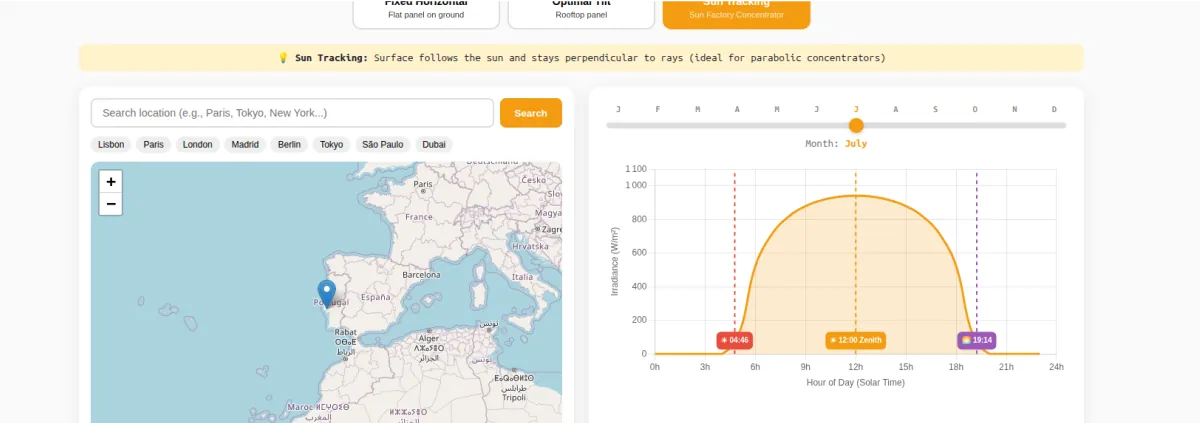 1
Solar resource, heat balance, target temperatures and power.
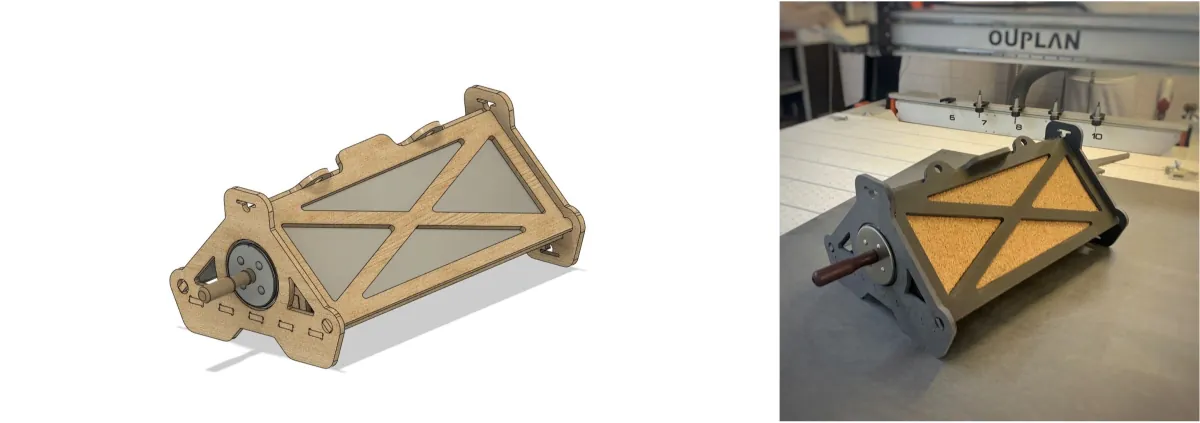 2
Parametric model, drawings and cutting files.
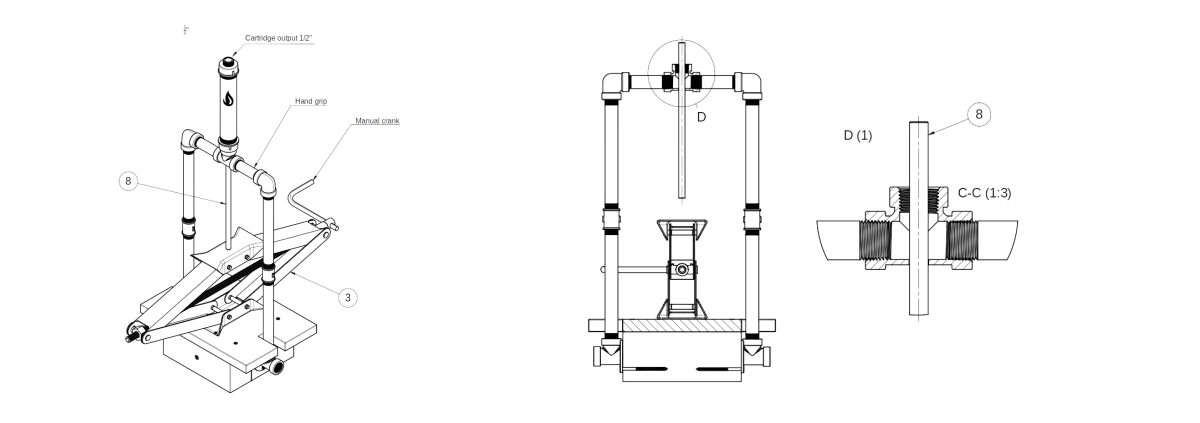 3
Bill of materials: parts, materials, quantities, suppliers and costs.
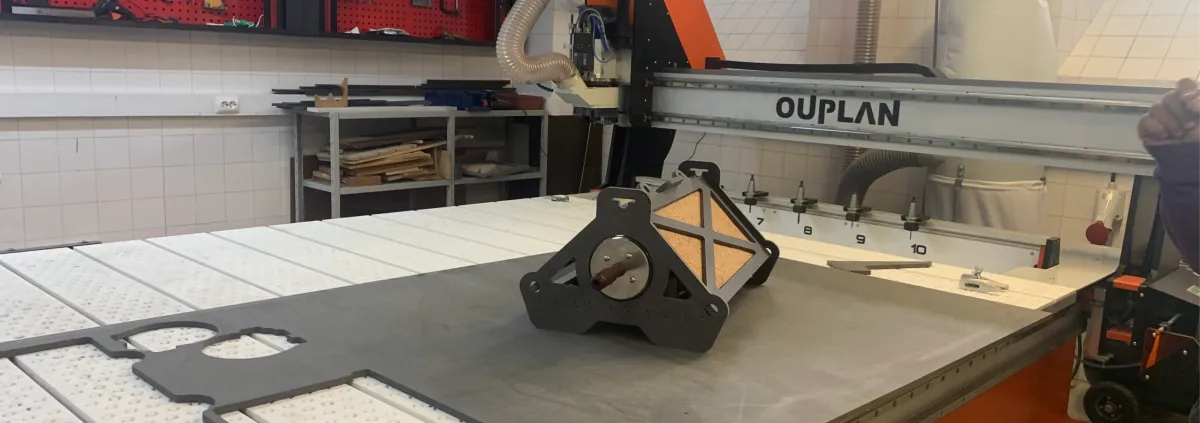 4
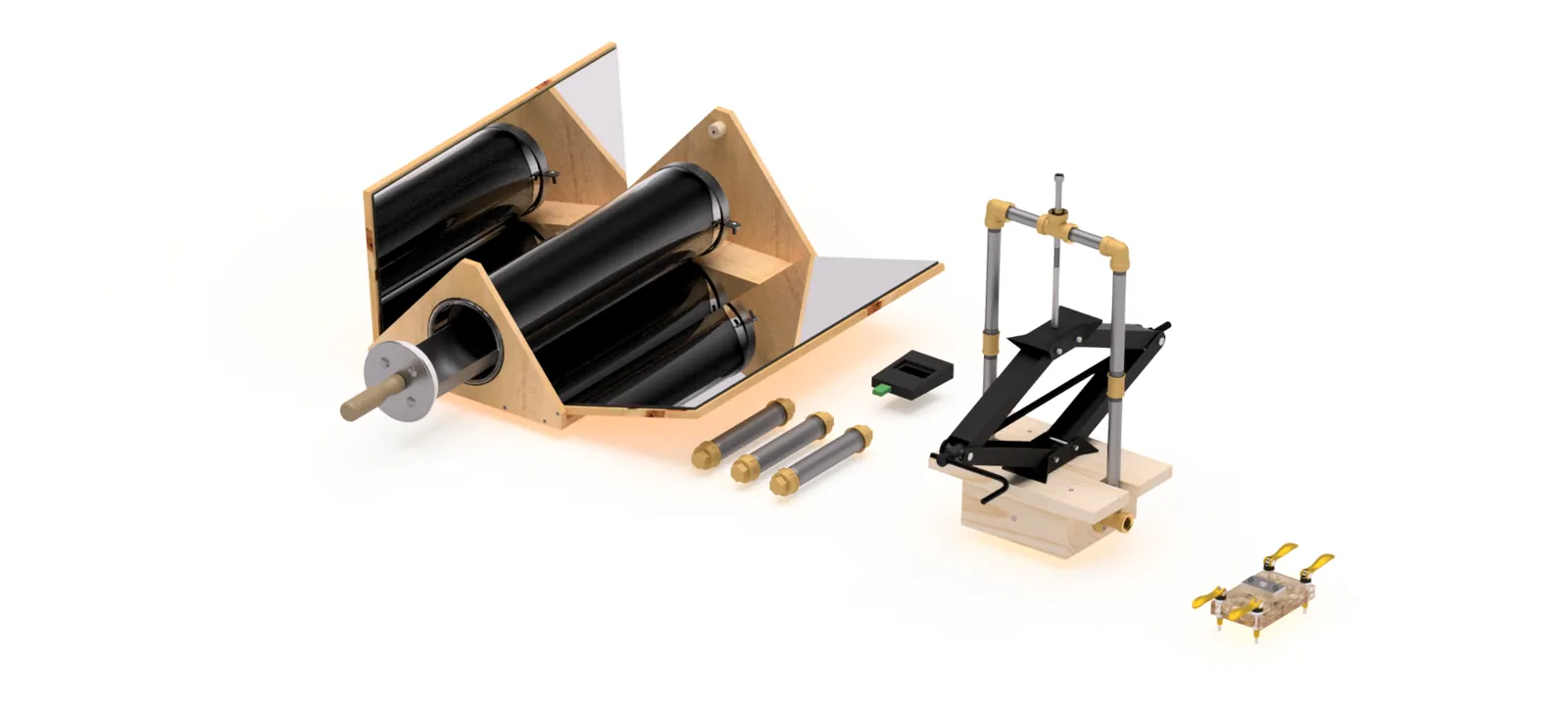
Built by hand or in a FabLab, assembly and first tests.
 5
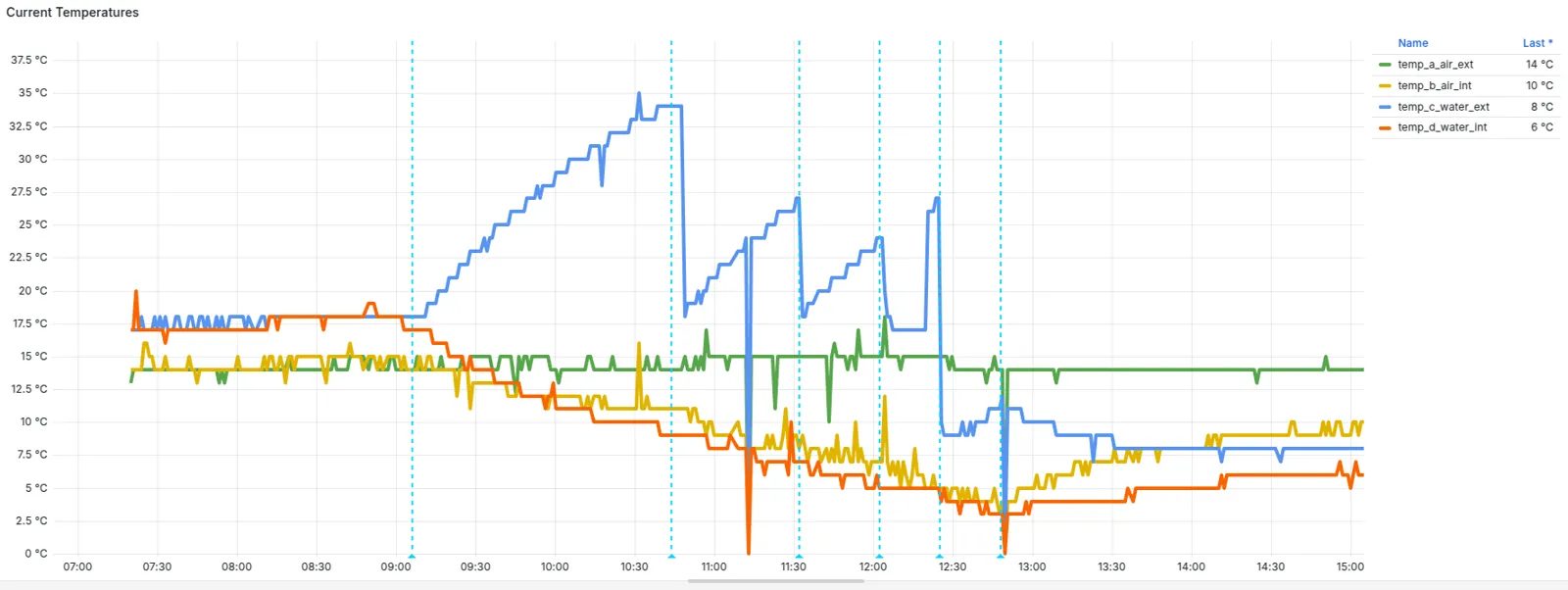
Measurements in real conditions: does the machine do what it promises?
 6
Open publication to build the machine and use it.
↺ Every published article becomes a commons of the technology portfolio, which anyone can reproduce, adapt and improve.
Solar machines
The machines developed use solar thermal energy, photovoltaics, or both.
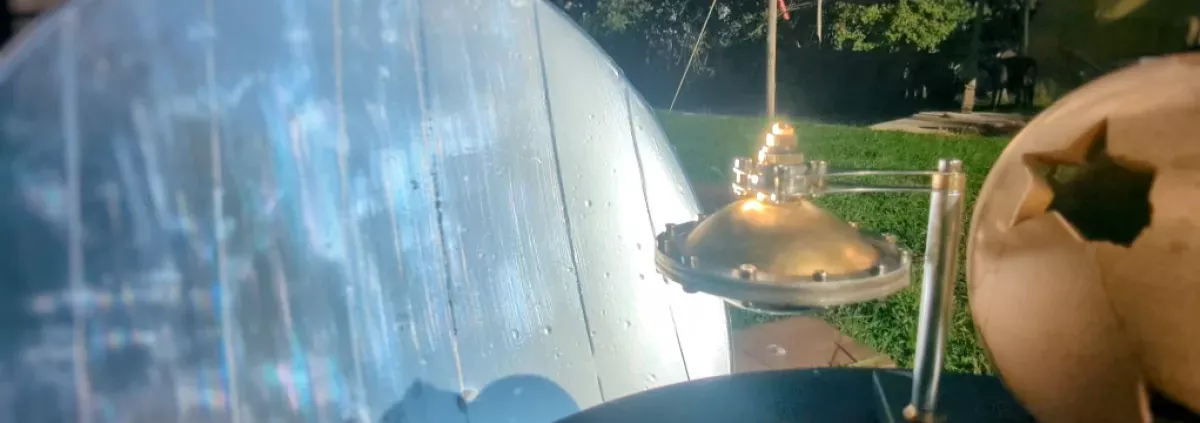
Evacuated tube concentrators, parabolic dishes and Fresnel lenses: from 100 to over 250 °C, without electrical conversion, to melt, cook, roast or distil.
For cooling (Peltier module), motorisation and electronics for measurement or solar tracking.
Heat for the process, electricity for control: a motorised tracker that orients a thermal concentrator, for example.
Dried and processed foods, roasting, puffed cereals, cooking, plastic recycling, water distillation, cosmetics, stills…





Research areas
Every technology is built with simple tools and runs solely on solar energy and human power.
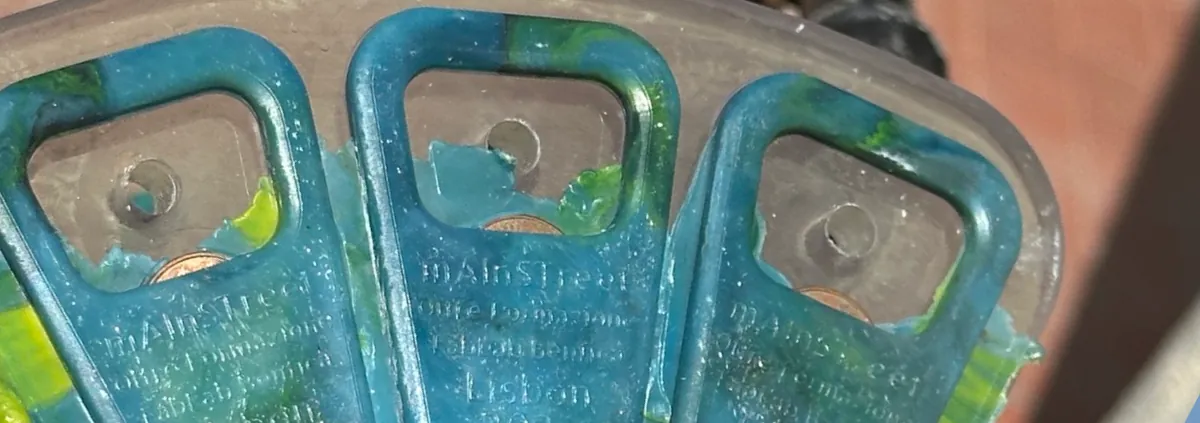
Injected objects, bars, sheets and bricks; proof of concept validated since 2020.
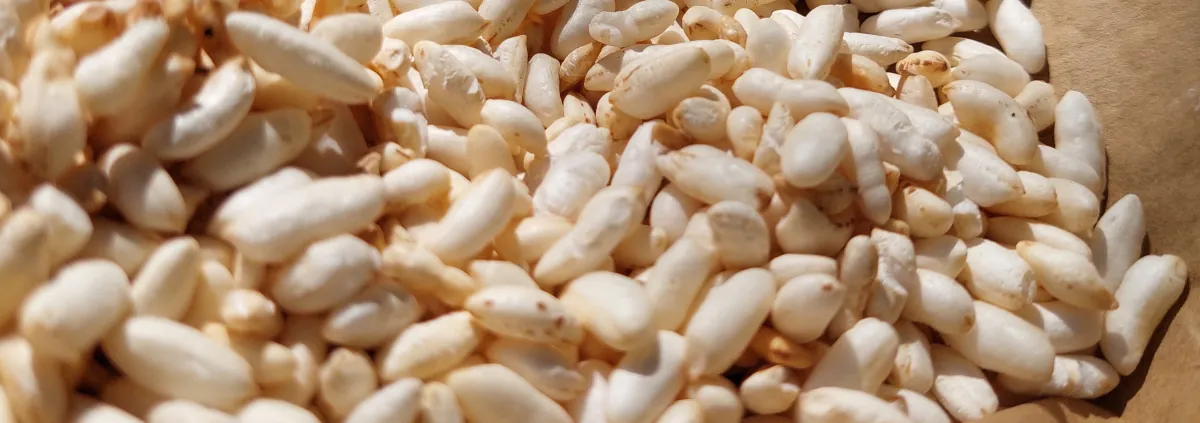
Turning dry grain directly into food, without water or fire.
Autonomy for cocoa and coffee producers; theoretical validation done, optimisation still to come.
Essential oils, macerates and balms from local plants.
Decentralised shaping, as close as possible to extraction sites.
Converting heat into motion: pumping, ventilation, rotation.