
All content in the technology portfolio is open source. It mainly brings together the Design Office's research results, but also contributions from the Sun Factory Project community. The Design Office keeps it up to date.
All content in the technology portfolio is open source. It mainly brings together the Design Office's research results, but also contributions from the Sun Factory Project community. The Design Office keeps it up to date.


Many technologies: basic machines, kits and applications.
Built, tested and documented in real conditions.
Documented technical sheet or prototype in development.
Ideas still to design: as many R&D seasons to fund.
The building blocks shared by all kits: receivers, concentrators, injectors and solar tracking.
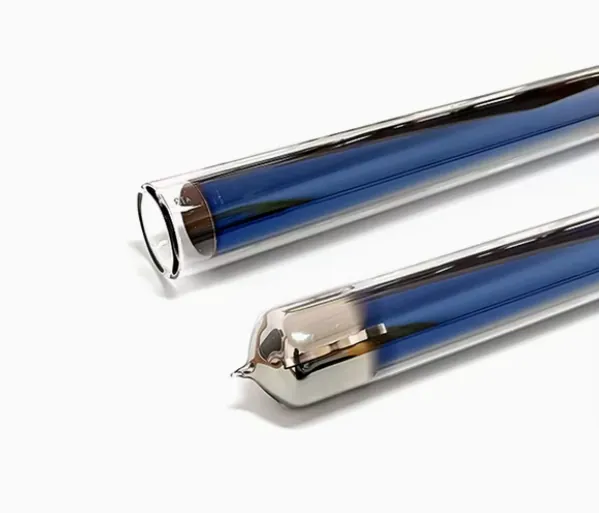
Thermal receiver at the heart of the concentrators: standard and large-diameter (137 mm) formats, with documented specifications and import prices.
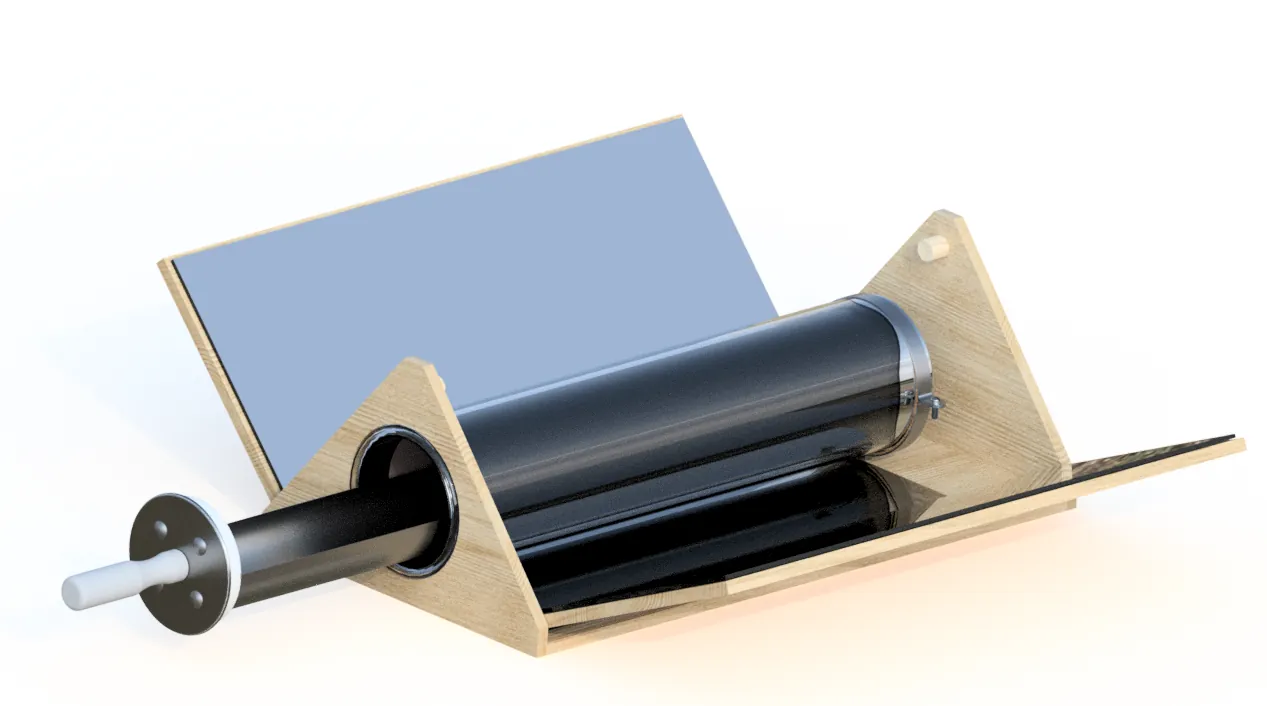
Wooden frame, flat mirrors and evacuated tube, built with hand tools. Used in the workshop since 2024.
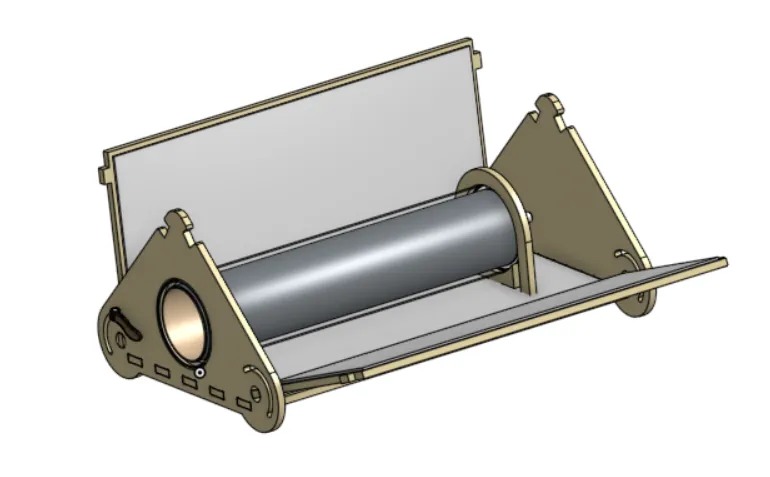
Parametric design cut by CNC/laser (« dogbone » joints): up to 9 cartridges heated simultaneously in V3.
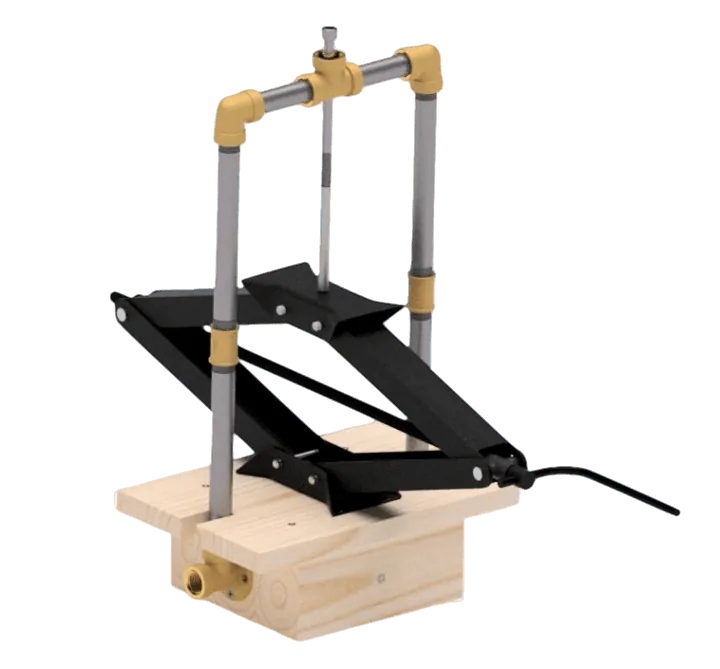
Wooden frame, 1/2" plumbing pipes and a car jack: invented in Geneva in 2020 with PlastOK.
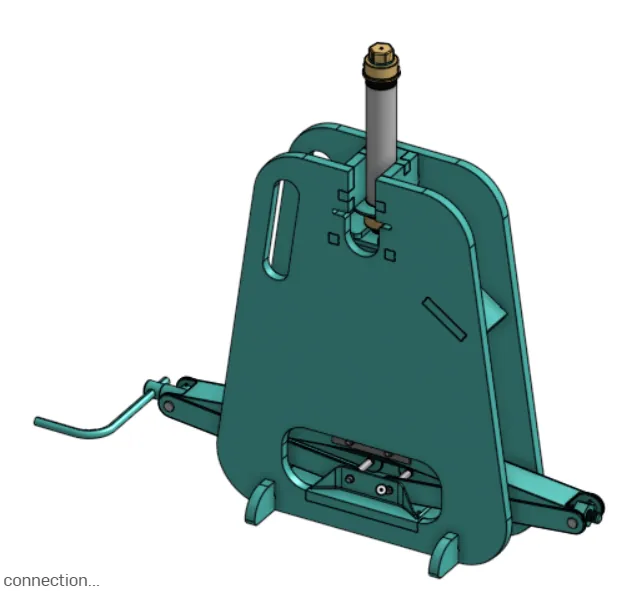
MDF version cut in a FabLab, optimised up to V3 during the Lisbon 2026 residency.
Prototype that follows the sun using sensors, with an electric motor module powered by solar panels.
Follows the sun by calculation, from the time and location, controlled by Arduino. Documented, to be developed.
Turning plastic waste into useful objects and local income, without electricity.
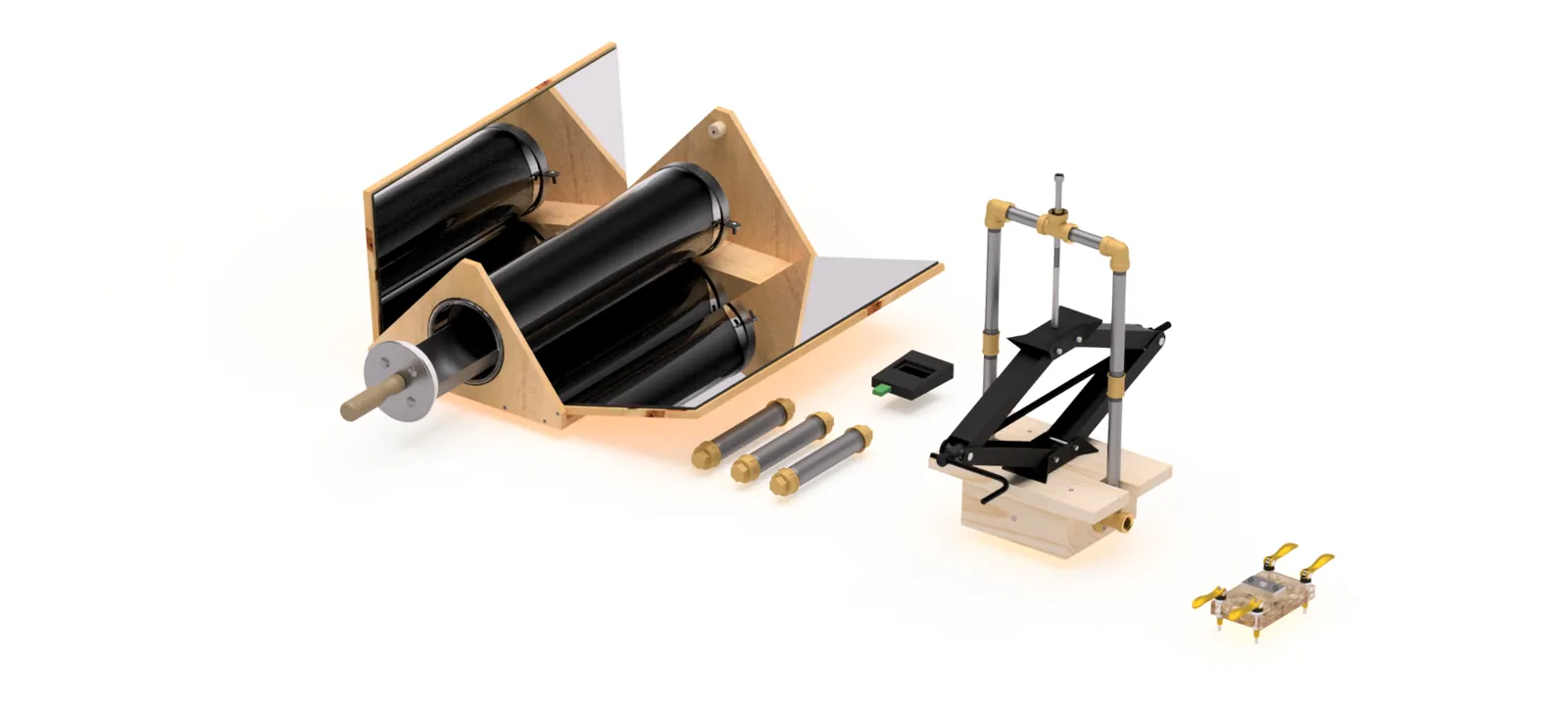
Complete portable kit for injecting recycled plastic objects with solar energy.
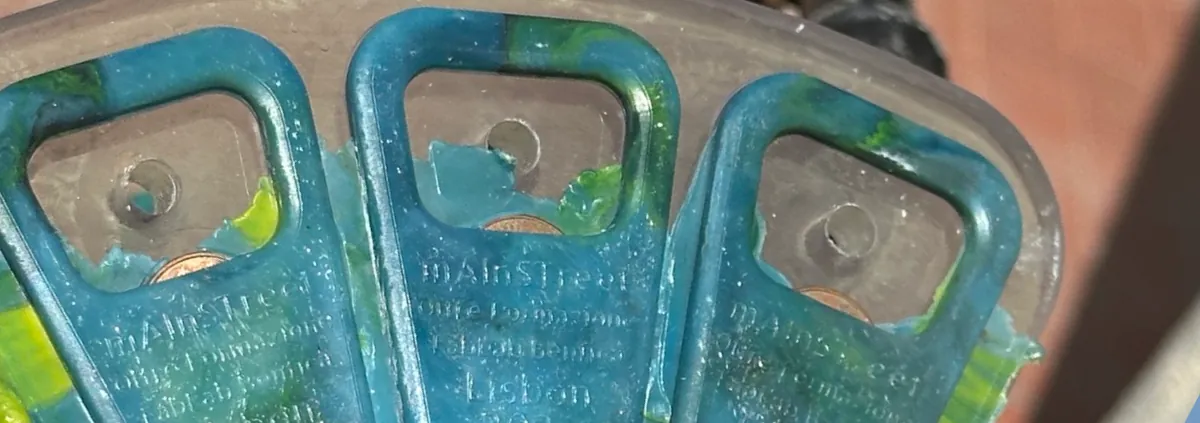
Parametric concentrator and injector, reproducible in any FabLab — Lisbon 2026 residency.
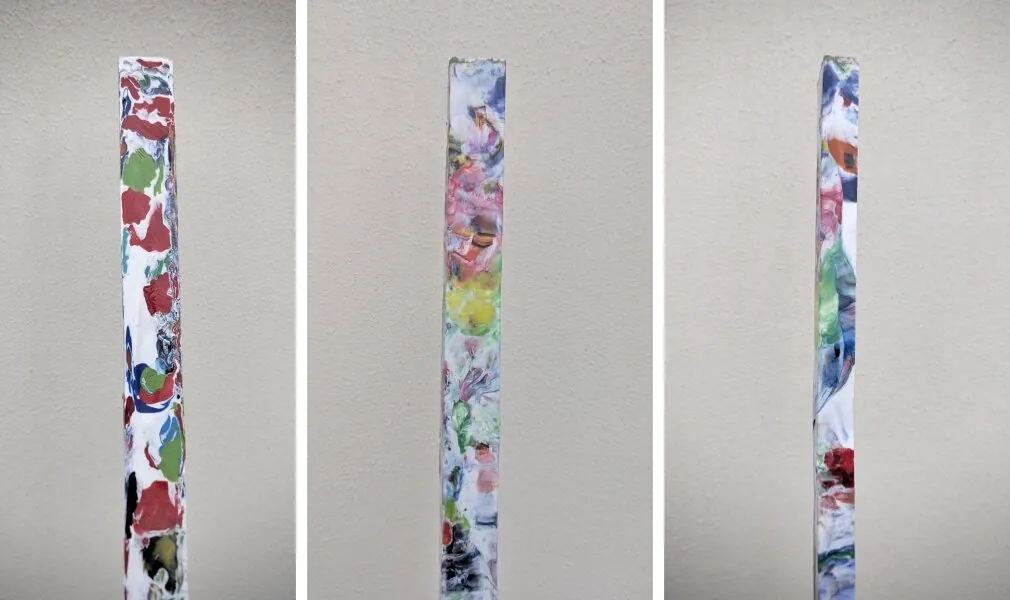
Recycled plastic bars or sheets, melted and pressed in the sun. POC done and machine costs known; the bar and sheet moulds still need to be developed, tested and documented.

World first in 2021 with Liquen Eyewear and Recua_: frames moulded from recycled plastic.
Standard-size bricks for building walls. Mould identified, large-format concentrator to be built.
Processing cereals, cocoa and coffee locally, and producing motion for agriculture.
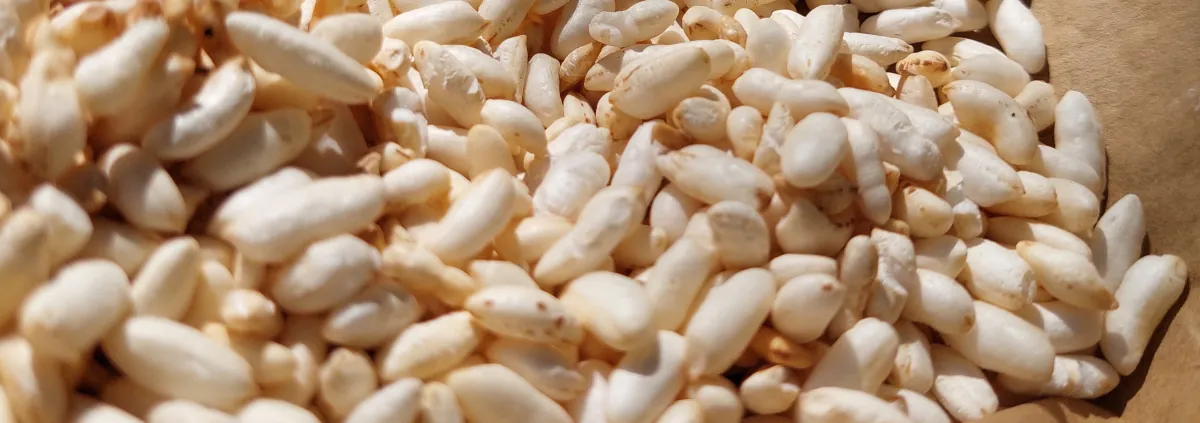
Rice, corn or wheat puffed at 200–250 °C, 100–300 g per cycle, without water or fuel.
Bean roasting (180–220 °C, 200–500 g per cycle) for producers' autonomy.
Mobile cart to roast and sell coffee as a self-employed vendor.
Mobile parabolic dish to boil water for coffee, tea or infusions for street vending.
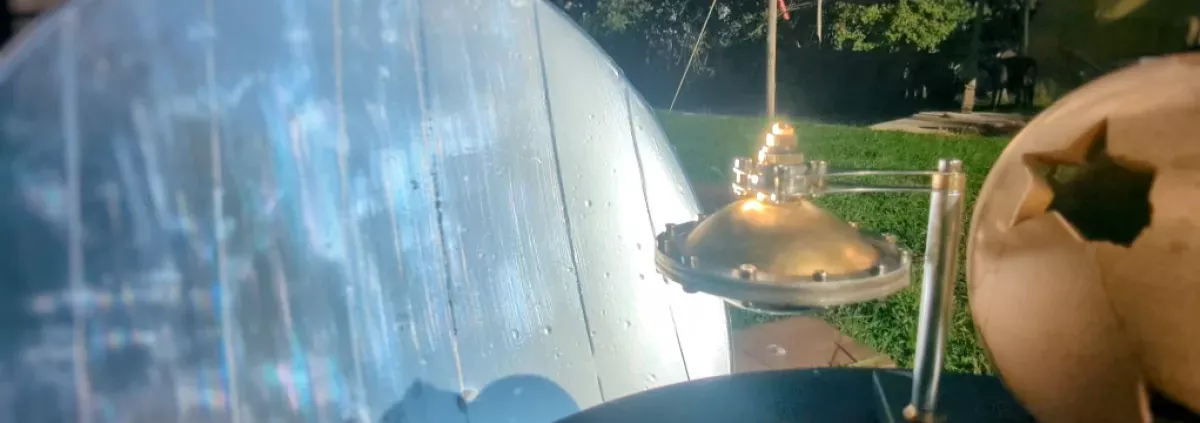
Turning solar heat into mechanical motion: pumping, ventilation, rotation.
Distil, extract, preserve and regenerate with solar heat or electricity.
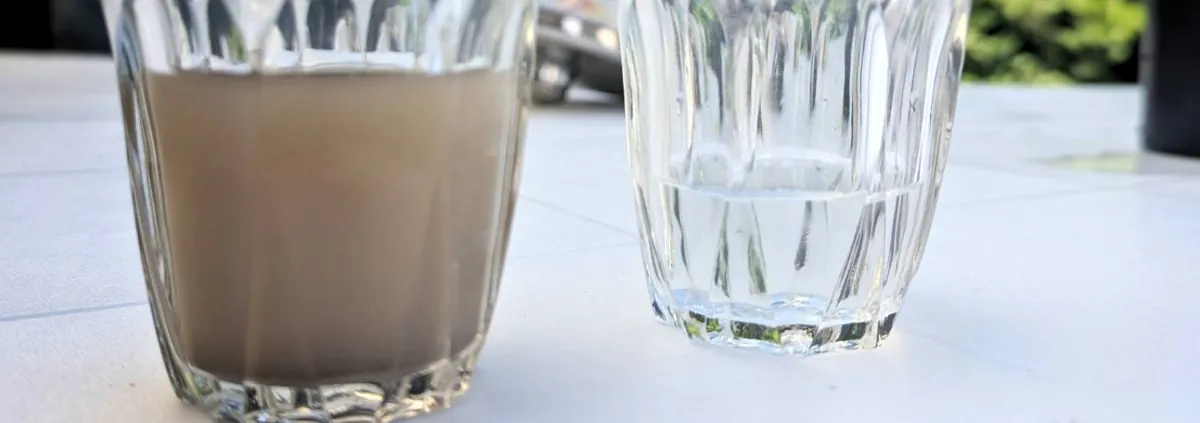
Distilled water, hydrosols and water purification using the concentrated heat of the parabolic dish.
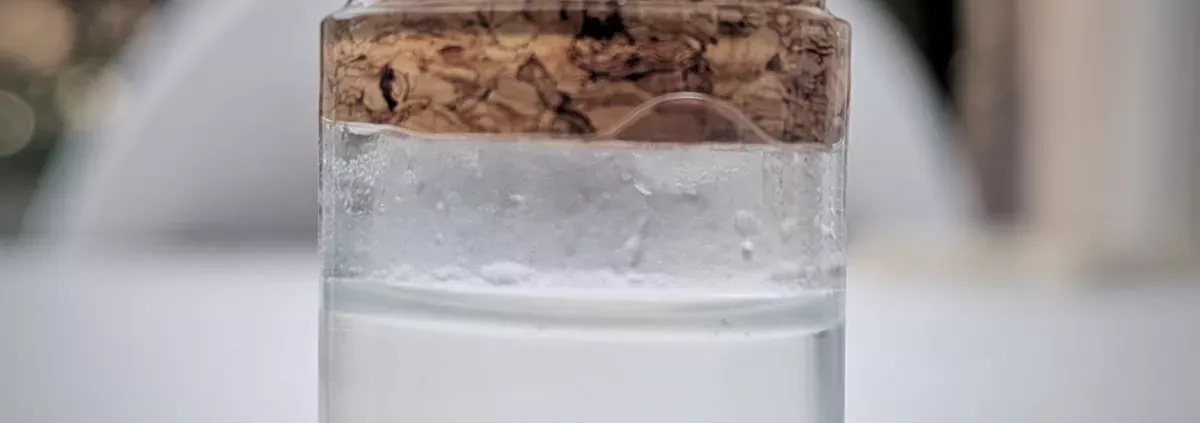
Solar steam distillation. First products: lavender essential oil and balm.
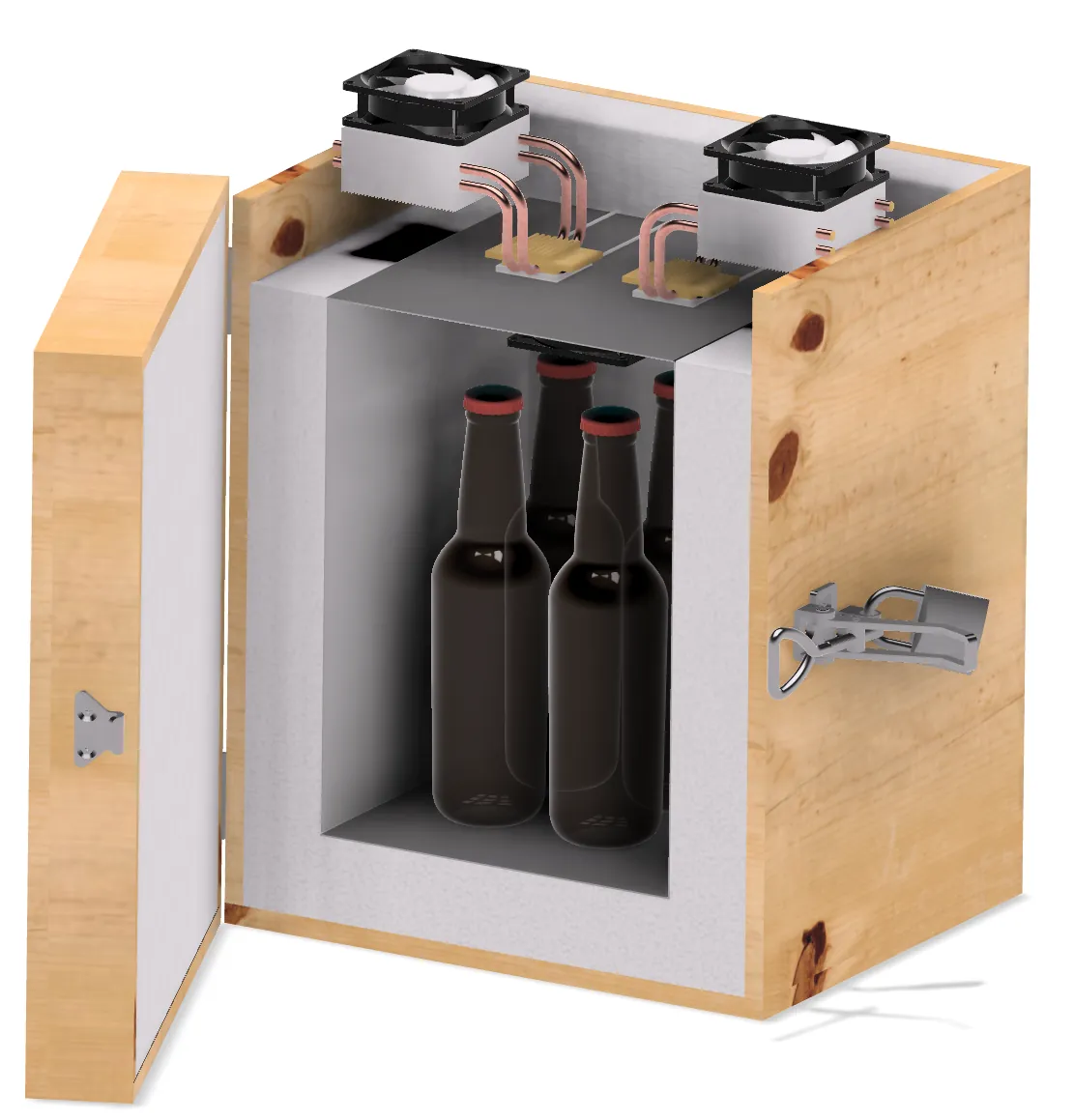
Preserving vegetables and meat with Peltier modules powered by photovoltaic panels.
Cold is produced by a gas circulating in copper circuits, powered by the sun.
Removing chemical pollutants from soils by solar concentration, to restore their fertility.
Components and production file used by the kits above.
The cartridges in which the plastic melts, heated in the concentrator.
The press that shapes bars and sheets.
Extended version of the simple concentrator, for large volumes (bricks).
Specifications and import prices of the standard format.
137 mm format for high-capacity concentrators.
Complete file: machines, costs, production capacity and target audiences.
Click a card to open the project sheet.« Full » prices: materials + labour, based on the kits' cost sheets. « Indicative materials » budgets: market prices, excluding labour.